Georgia Homeowners Insurance: What a Standard Policy Does Not Cover
A standard homeowners policy covers a lot. It's the gaps that catch people by surprise.
August 3, 2026 · 3 min read
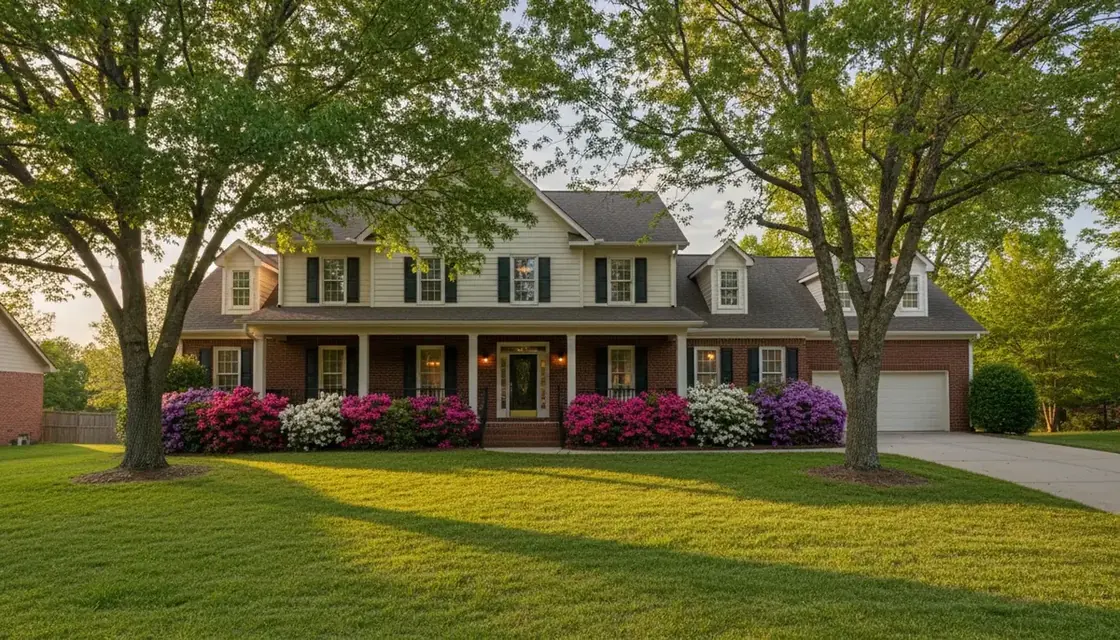
Most homeowners buy a policy once, skim the declarations page for the dwelling limit, and never look at it again until something goes wrong. That's normal, but it means the exclusions, the things a standard policy simply does not cover, are usually the last thing anyone reads and the first thing that matters at claim time. A few of them come up often enough around Powder Springs, Austell, Douglasville, Smyrna, and Marietta that they're worth knowing before you need them.
Flood and Earthquake Are Separate
A standard homeowners policy in Georgia does not cover flood damage. This surprises people because Georgia isn't usually thought of as a flood-prone state the way the Gulf Coast is, but flash flooding from a heavy summer storm, a creek backing up, or standing water after days of rain can still damage a home, and a standard policy generally treats none of that as a covered peril. Flood coverage has to be purchased separately, typically through the National Flood Insurance Program or a private flood carrier. The same separation applies to earthquake. Georgia does see occasional seismic activity, and earthquake coverage, when it's carried at all, is almost always its own endorsement or its own separate policy, not something automatically bundled into a homeowners form.
Wear and Tear Isn't a Covered Peril
Homeowners insurance is generally built to respond to sudden, accidental events: a tree comes down on the roof in a storm, a pipe bursts and floods a room, a kitchen fire spreads to a wall. What it's typically not built to cover is the slow stuff: a roof that's simply aged out, plumbing that finally fails after years of slow corrosion, an HVAC system that quits from years of deferred maintenance. Carriers generally treat those as maintenance issues the homeowner is responsible for, not insurable losses. It's one of the more common surprises we walk people through, especially on an older home.
High-Value Items Usually Need Their Own Line
A standard homeowners policy typically caps how much it will pay out for certain categories of personal property, and jewelry is the one that catches people most often. If you own an engagement ring, family heirloom pieces, or anything else worth real money, the policy's built-in limit for that category is often well under the item's actual value. A jewelry floater is a small add-on that schedules the specific piece at its appraised value, so a loss actually pays what the item is worth instead of whatever the base policy caps out at.
A Few Other Gaps Worth Knowing
Sewer and drain backup is another one people assume is automatically included and often isn't. Water that backs up through a drain or sump pump, rather than falling as rain or bursting from a pipe inside the home, is frequently excluded on a standard policy and offered instead as a low-cost endorsement. Ordinance or law coverage is a similar case: if an older home in Powder Springs or Marietta is damaged badly enough that local building code requires the whole structure to be brought up to current code during repair, not just the damaged section, a standard policy often won't pay the extra cost of that code upgrade unless the endorsement is there. Neither of these is unusual to carry, they're just easy to overlook because nobody thinks about them until the day they'd actually apply.
- Whether flood coverage is included, excluded, or something you'd need to add separately
- Whether earthquake is carried at all, and under which endorsement
- Whether your dwelling coverage pays replacement cost or actual cash value
- Whether jewelry, art, or other valuables need a scheduled floater
- Whether sewer and drain backup and ordinance-or-law coverage are included or excluded
Every carrier writes its exclusions a little differently, and the only way to know exactly what your policy does and doesn't cover is to read your specific dec page and policy form, not a general article like this one. If you want to go through yours line by line, call or text Leonard Butts Insurance at 678-903-3936.
Leonard Butts Insurance Agency — 678-903-3936
Call 678-903-3936More articles
What a Declarations Page Is, and Why Bringing Yours In Makes a Quote Honest
A cheaper quote is often just a thinner one. Here's how to tell the difference before you switch.
Independent Agent vs. Captive Agent, Explained Plainly
One agency quoting 21 carriers gives you a different answer than one company quoting itself. Here's the actual difference.